
Moving abnormal cargo is fundamentally an engineering exercise. When payload weights exceed 30 tonnes or dimensions surpass standard lane limits, transport planning transitions from simple driving to route engineering, structural assessment, and multi-agency regulatory coordination.
Understanding Low-Loader Configurations
Unigroup operates three distinct low-loader categories tailored to varying equipment profiles:- 3-Axle Low Loaders (up to 31 Tonnes): Ideal for standard civil construction machinery including CAT 320 excavators, wheel loaders, and motor graders.
- 4-Axle Heavy Trailers (up to 38 Tonnes): Suited for heavy earthmoving machinery, track-type tractors, and large drilling rigs.
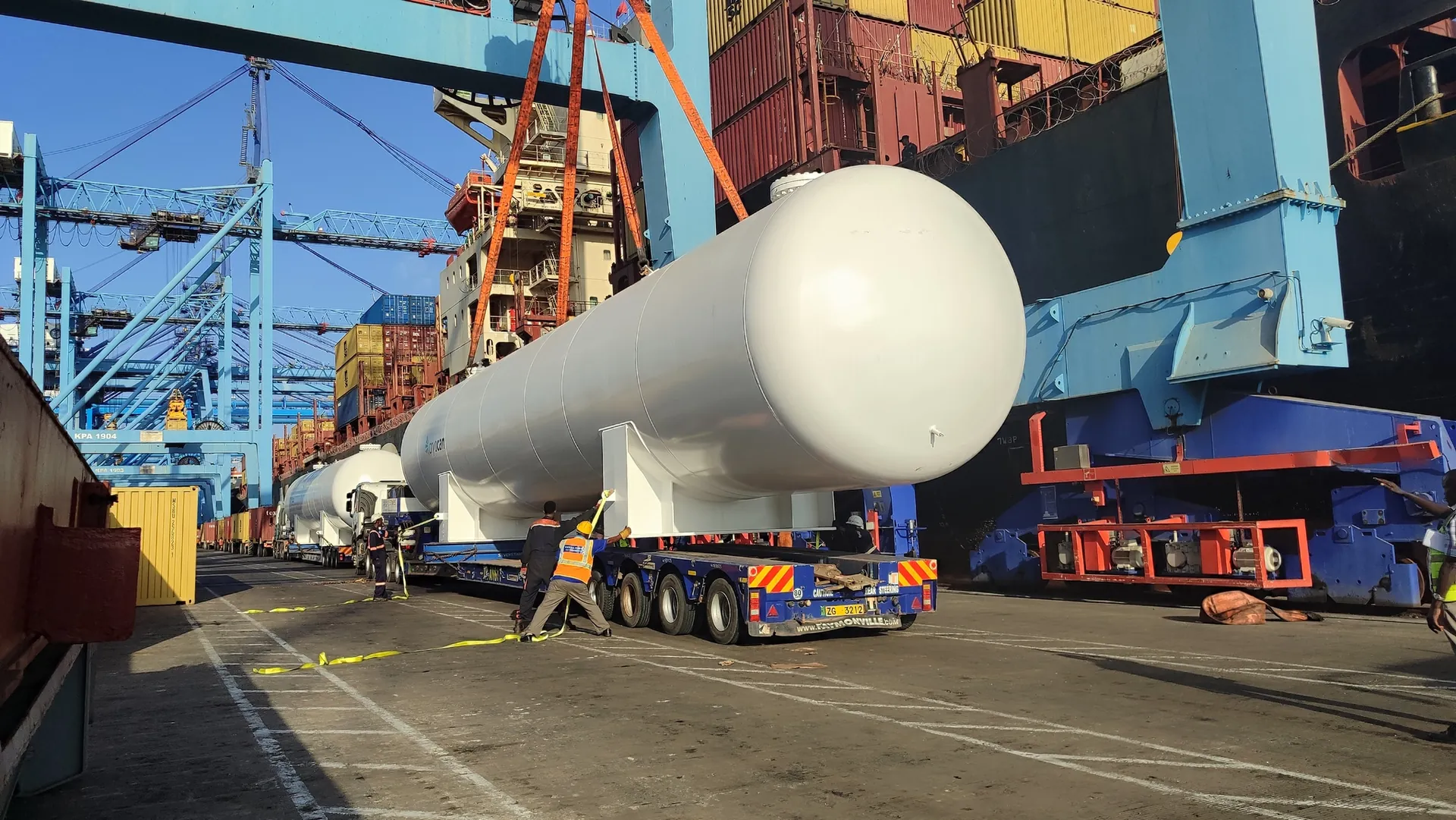
- Multi-Axle Modular Low Loaders (up to 65 Tonnes): Built for out-of-gauge structural steel components, electric sub-station transformers, industrial autoclaves, and heavy civil infrastructure equipment.
The Regulatory Framework: KeNHA Axle Load Compliance
The Kenya National Highways Authority (KeNHA) enforces the East African Community Vehicle Load Control Act. Overweight infringements attract severe statutory penalties and vehicle impoundment.To move legally and safely, our project desk manages:
1. Route Sweeping & Surveys: Checking bridge weight ratings, overhead high-voltage power line clearances, and roundabout turning radii.
2. Special Abnormal Load Permits: Applying for statutory movement licenses with certified axle distribution diagrams.
3. Police Escort & Pilot Vehicles: Equipping dedicated escort cars with amber warning beacons, communication radios, and trained traffic controllers.
“Every tonne above legal gross vehicle weight must be accounted for across axle groups. Balancing ground pressure prevents highway degradation and guarantees vehicle stability.”
Engineer the Route Before Mobilizing the Load
Out-of-gauge haulage between 31 and 65 tonnes succeeds on preparation: match the machine's weight and center of gravity to the right 3-axle, 4-axle, or multi-axle modular low-loader, secure KeNHA abnormal load permits ahead of dispatch, and verify bridge and overhead clearances along every kilometer of the route.