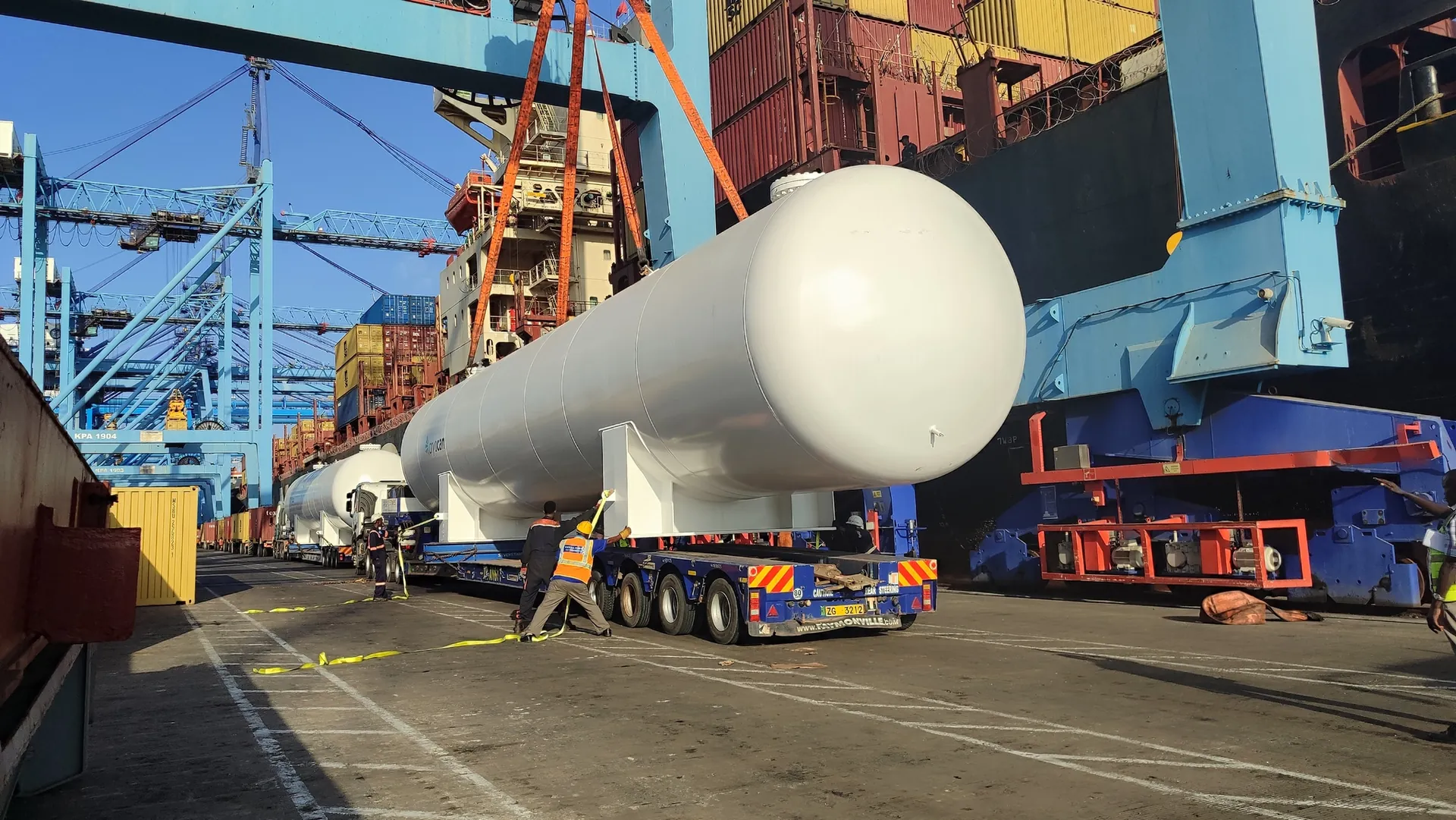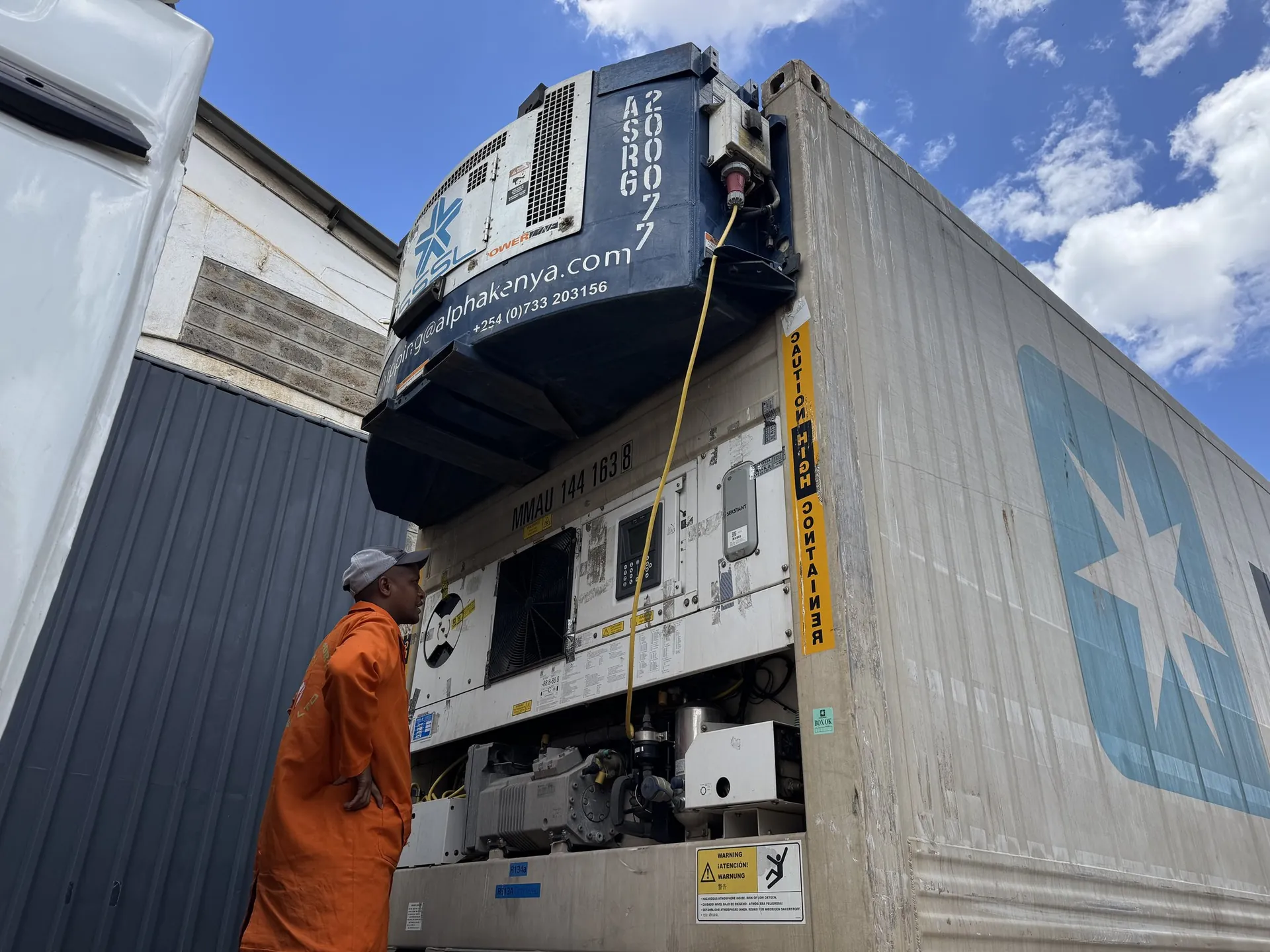

Containerised freight moving through the Port of Mombasa represents the lifeblood of regional East African commerce. However, for cargo owners, clearing agents, and manufacturers, delays at port terminals or CFS staging hubs can rapidly accumulate substantial demurrage, terminal storage, and detention penalties.
The Anatomy of Port Clearance Delays
Most shipping lines grant between 7 and 14 free days from vessel discharge to empty container return. Any friction—whether incomplete customs documentation, late manifest submission, or truck unavailability—drastically eats into this window. Once free time expires, penalties escalate daily on a tiered scale.Key drivers of unnecessary container detention include:
- Documentation Disconnects: Manifest and customs entry mismatches between the KenTrade Single Window System, KRA iCMS (Integrated Customs Management System), and shipping lines.
- CFS Transfer Bottlenecks: Delays moving containers from container terminals (CT1/CT2) to off-dock Container Freight Stations.
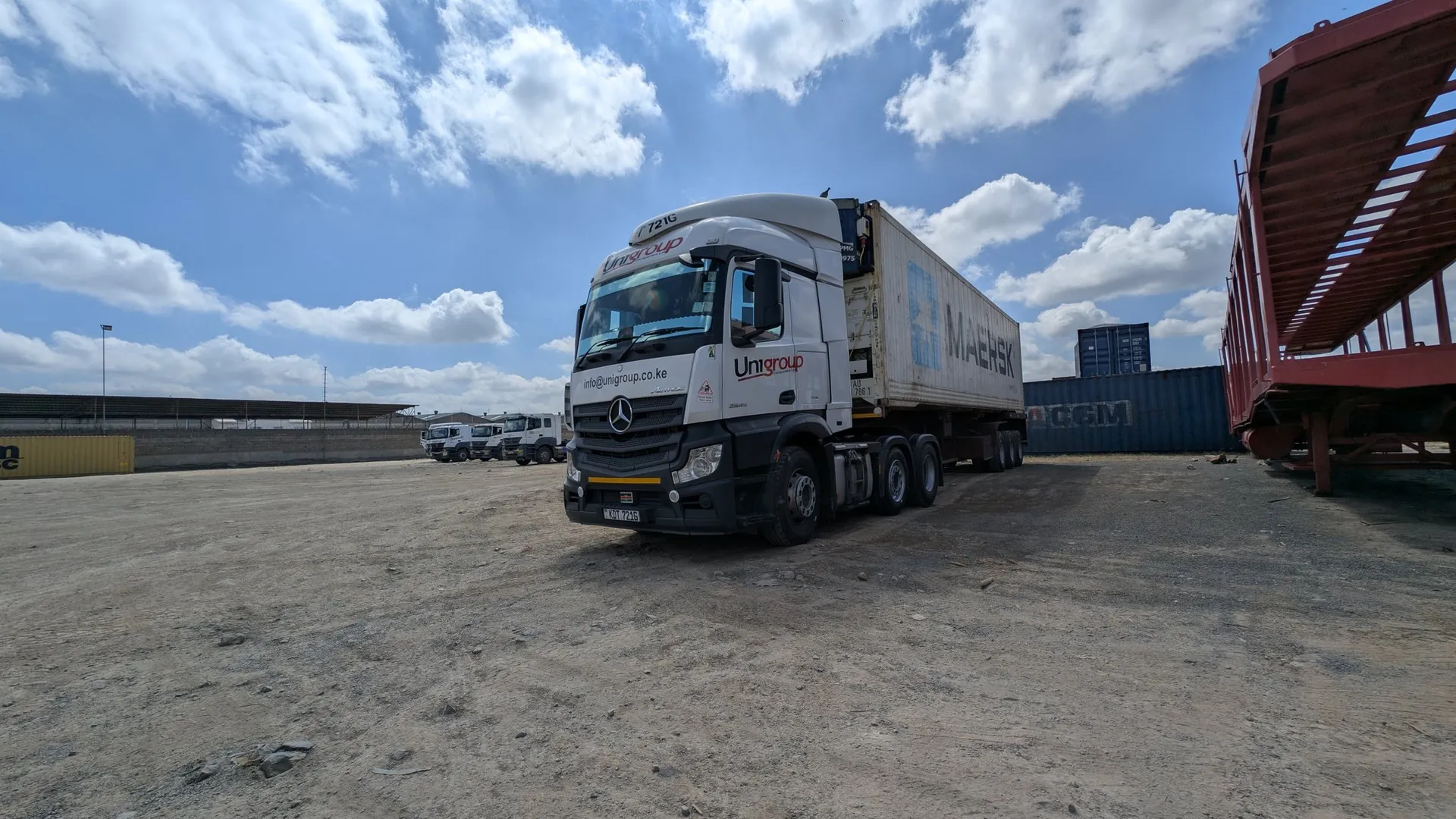
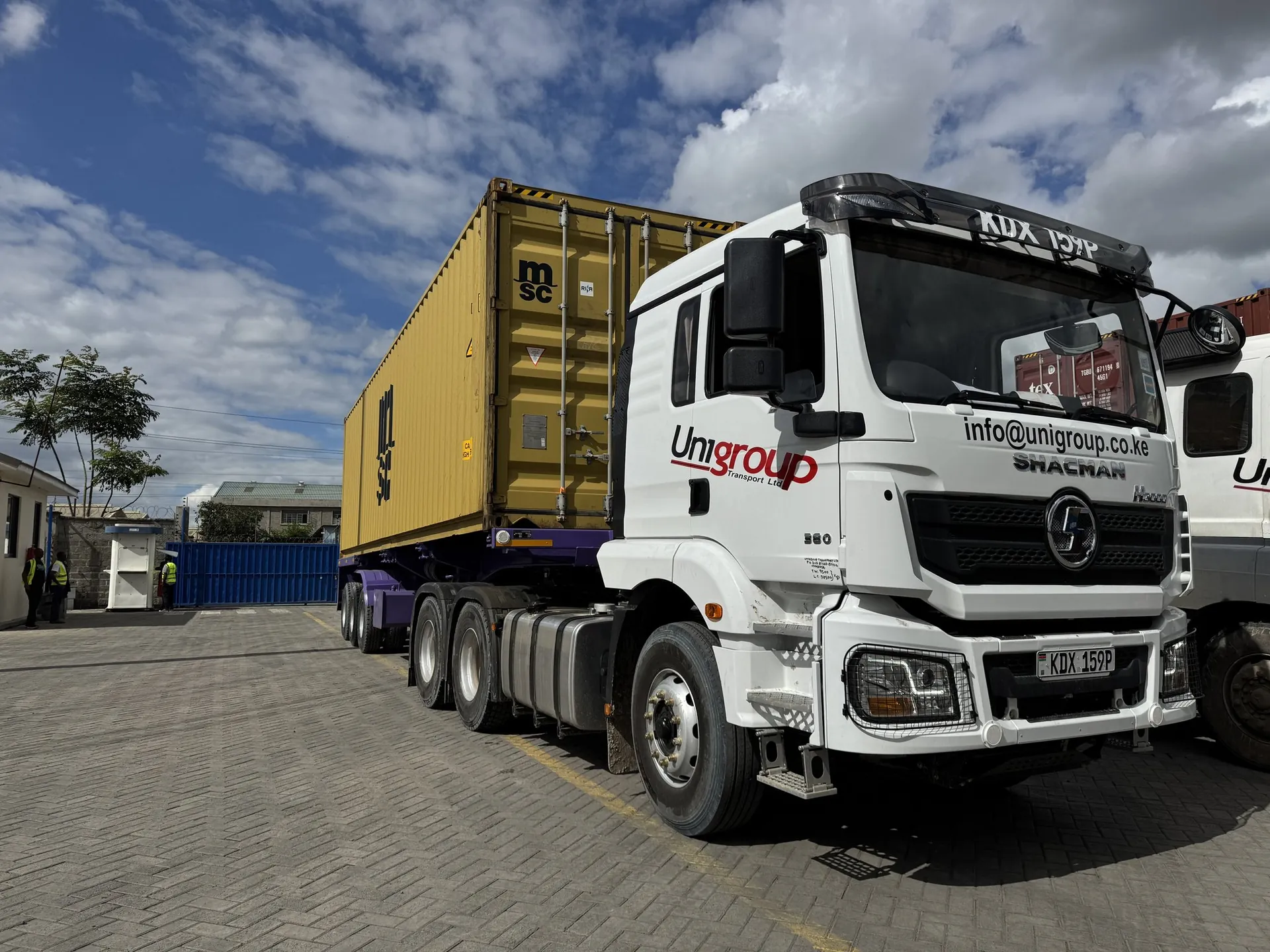
- Trailer Shortages: Inability of ad-hoc transporters to mobilize adequate 20ft and 40ft skeletal trailers on short notice.
- Empty Return Congestion: Container depot turnaround congestion when returning empty equipment to nominated shipping line yards.
Strategic Transport Pre-Mobilization
At Unigroup Transporters Limited, our port operations desk in Mombasa works directly with shipping lines, CFS operators, and customs brokers prior to vessel arrival. By monitoring vessel discharge schedules and pre-positioning skeletal trailers with assigned drivers, we achieve immediate dispatch upon KRA iCMS release and KPA gate-pass generation.“Predictability in port haulage is not accidental. It is engineered by synchronizing KRA iCMS and KenTrade Single Window clearance status with physical truck positioning at Mombasa berths 24 hours before gate exit.”
Best Practices for Shippers
1. Pre-lodge Documentation: Submit import declarations and permits through the KenTrade Single Window System and KRA iCMS before vessel berthing to obtain pre-arrival clearance. 2. Engage Dedicated Skeletal Fleets: Avoid spot-market broker chains where equipment reliability and transit accountability are variable. 3. Coordinate Direct Road Haulage & ICD Shunting: Align port gate-pass release or Nairobi ICD collection schedules directly with pre-assigned skeletal trailer dispatches. 4. Real-time Milestone Monitoring: Require your logistics partner to provide departure timestamps, weighbridge checkpoints, and geofence arrival verification.Synchronize Customs Pre-Clearance with Truck Staging
Lodging entries early through the KenTrade Single Window System and KRA iCMS—paired with pre-positioned 20ft and 40ft skeletal trailers at Mombasa Port—eliminates gate-exit bottlenecks, avoids tiered CFS storage fees, and guarantees timely empty container return within shipping line free days.